
Candid or Editorial Portraits: Which Style Feels Most Like You?
Most women come to me with a single word in mind: headshot. Maybe they need to update their LinkedIn, or a new website is in the works, or they're stepping into something new and want to show up looking the part. They know they need photos. What they often haven't considered is what kind of photos will actually do justice to who they are right now. That's where the conversation gets interesting - and honestly, a lot more fun.
The choice between candid and editorial portraits isn't just a stylistic preference. It says something about how you want to be seen, what you want people to feel when they land on your page, and how much of your full self you're ready to bring into the frame. Let me walk you through how I actually think about this with my clients, because "it depends" is the least useful answer I could give you.
The Session That Showed Me How Big This Could Be
Recently, I was hired to take an author photo for a woman with her first book coming out. We talked on the phone beforehand and it became clear pretty quickly that a simple studio headshot wasn't going to cut it - she was absolutely in love with her home and her land, and that feeling came through in every word she said.
So we decided to shoot on location. And from there, it snowballed in the best possible way.
We came prepared with planning, hair and makeup, and a full shot list. When I arrived, I was genuinely astonished by the variety of settings available to us: an outdoor working yurt, a coy pond, a rocking chair, her bright red car. Her musician husband joined us. We ended up capturing her past, her present, and her vision for her future - which connected beautifully to the subject of her book, healthy relationships.
What stayed with me about that session was how different it felt from a studio shoot - and how right that difference was for her. Being in her own space gave her a level of comfort and access to her own clothes, tools, and surroundings that helped tell the story in a way no backdrop ever could. It felt like her.
That's the thing about shooting in someone's space. There's a richness to it that's hard to replicate when you're working against a white wall.
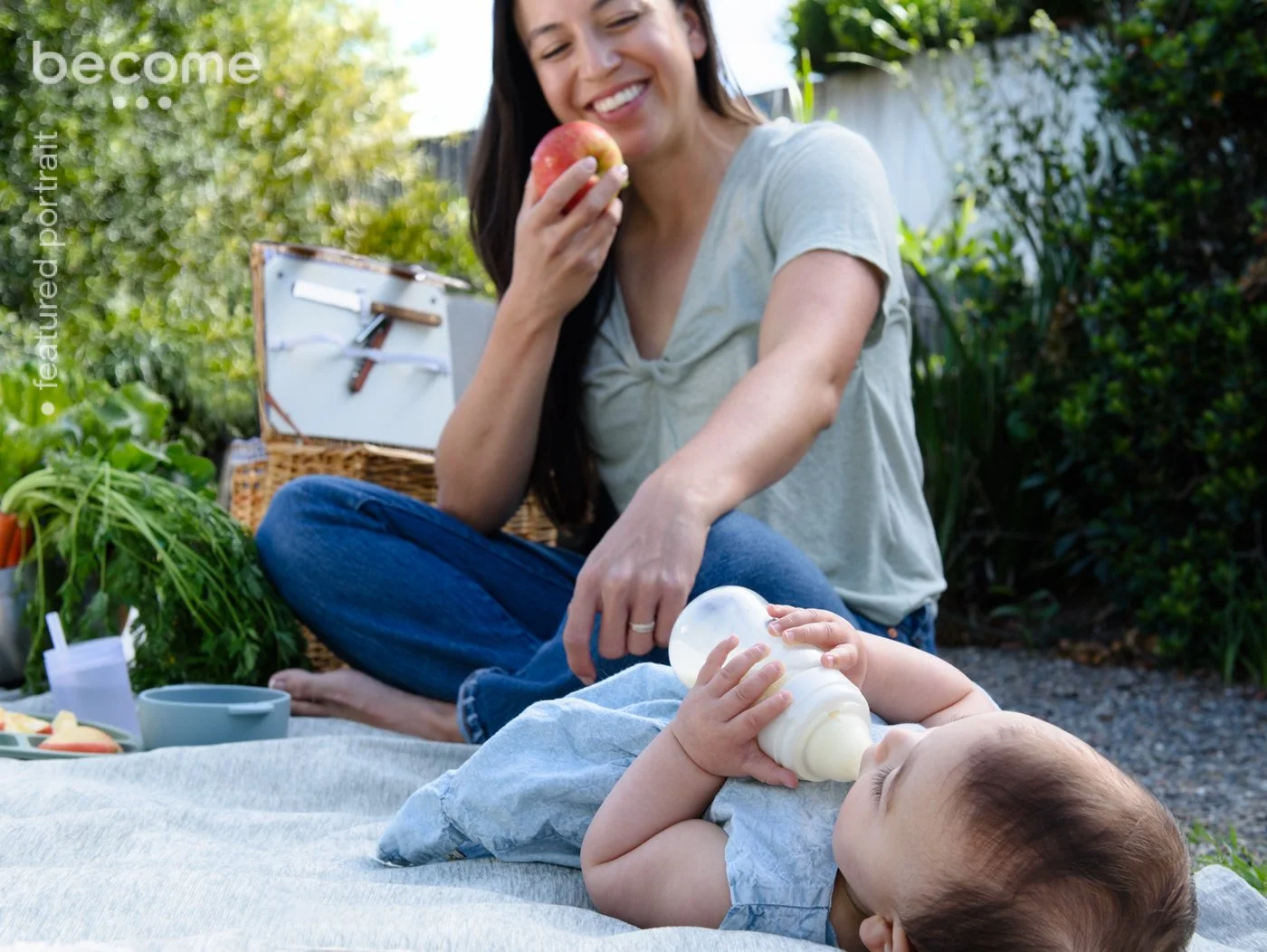
Health Coach/Personal Trainer integrates workouts and healthy eating with her child time.
What Clients Often Don't Know to Ask
Here's the most common thing I see: women come to me thinking in terms of one category. Headshot or not a headshot. Professional or personal. They don't always realize that those two things can live in the same session - or that there are real differences between what a candid and an editorial approach will do for them.
So let me clear a few things up.
Editorial portraits are not the same as stiff or corporate
I hear this assumption a lot, and I want to gently challenge it. Editorial doesn't mean you're standing in a blazer with your arms crossed looking like you mean business (unless that's genuinely your energy, in which case, great).
Editorial can be dramatic - think sidelight, strong shadows, powerful composition. It can also be bright and easy, like window light with you sitting cross-legged on the floor in jeans and a t-shirt. The goal isn't a "look." The goal is to identify who you are to your clients, what part of the real you they already recognize and trust, and to shoot for that person.
Candid portraits aren't automatically easier
There's a myth that candid shots are the relaxed option - that anyone can pull off a great candid just by being themselves. The reality is a little more nuanced.
Some people genuinely relax into themselves in front of a camera. They stop performing, they find a moment, and it lands beautifully. But some people - and there's no shame in this - actually do better with editorial precisely because they want guidance. They want to be told where to stand, how to hold their hands, what to do with their face. The posing and the soft direction are what lets them stop worrying and start being present.
Knowing which camp you're in is genuinely useful information before you book.
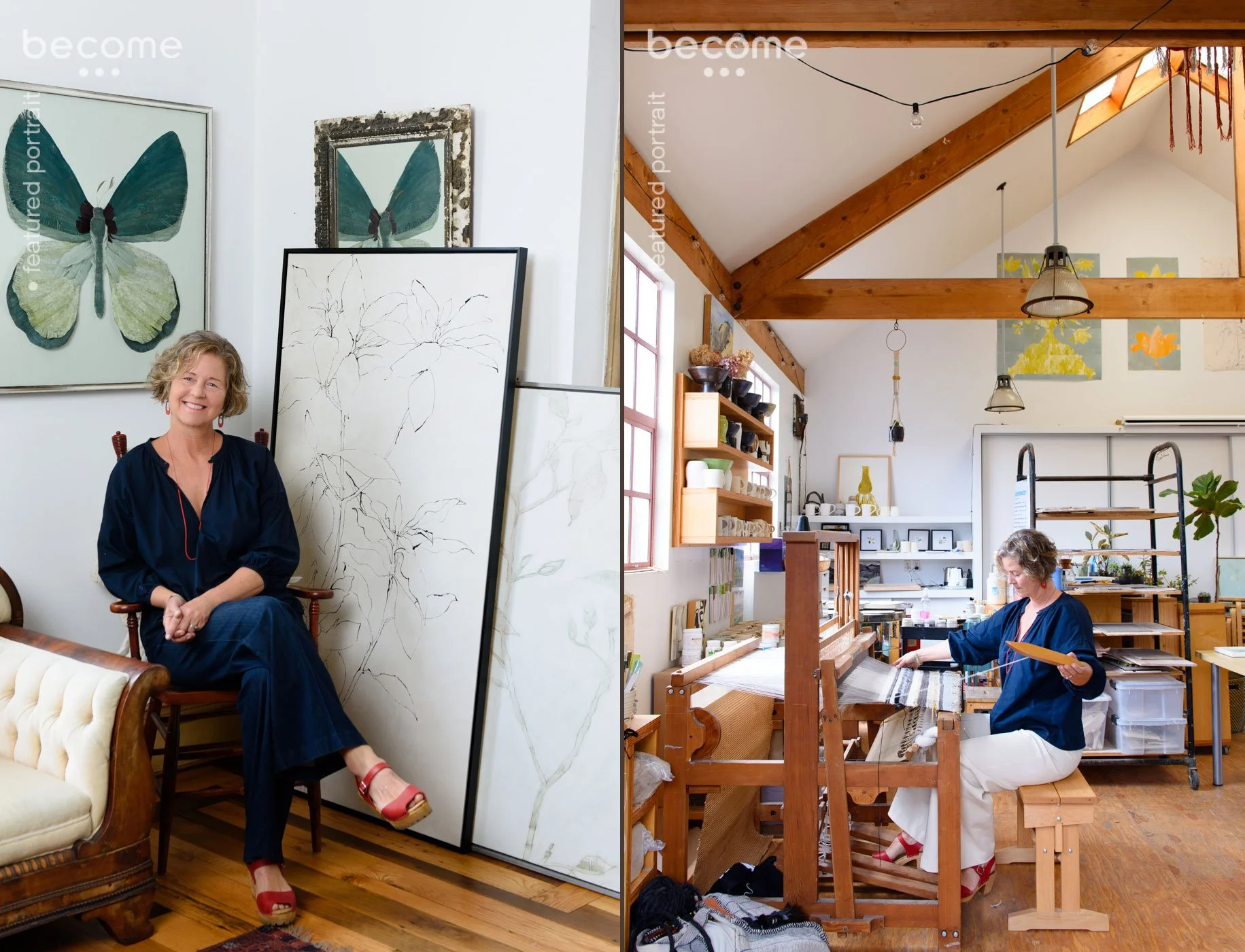
Editorial = intentionally posed. Candid captures action.
How I Actually Guide This Conversation
When someone reaches out to me, we have a real conversation before any booking happens. I ask about their business, yes, but I also ask about their hobbies, their family, what they're juggling, what excites them, what they're stepping into. I'm trying to get a sense of the full spectrum of who they are so I can suggest both the editorial shots they need and the candid moments that might surprise them.
Most of my clients are business owners or executives, and they come in thinking they need one sharp, professional image. By the time we've talked, they're often thinking about a website gallery, social content for months, speaker bio photos, and maybe something personal that captures the life they've actually built.
A few things I always bring up:
Bring more than one outfit. Since COVID, the working world in California has softened a lot on professional attire. Bringing a business look and something casual - jeans, a button-up, whatever feels genuinely like you on a Saturday - gives us range and gives you options.
Think about where the photos will live. A LinkedIn profile picture has different needs than a homepage hero image or an Instagram grid. When we talk about usage, the right style often becomes obvious.
Your comfort level matters more than the trend. If you stiffen up when left to your own devices, editorial is probably your friend. If you come alive when you're given space to move, candid will serve you better. We figure this out together.
They'll know if it's a fit or not - and that's exactly the point of the conversation.
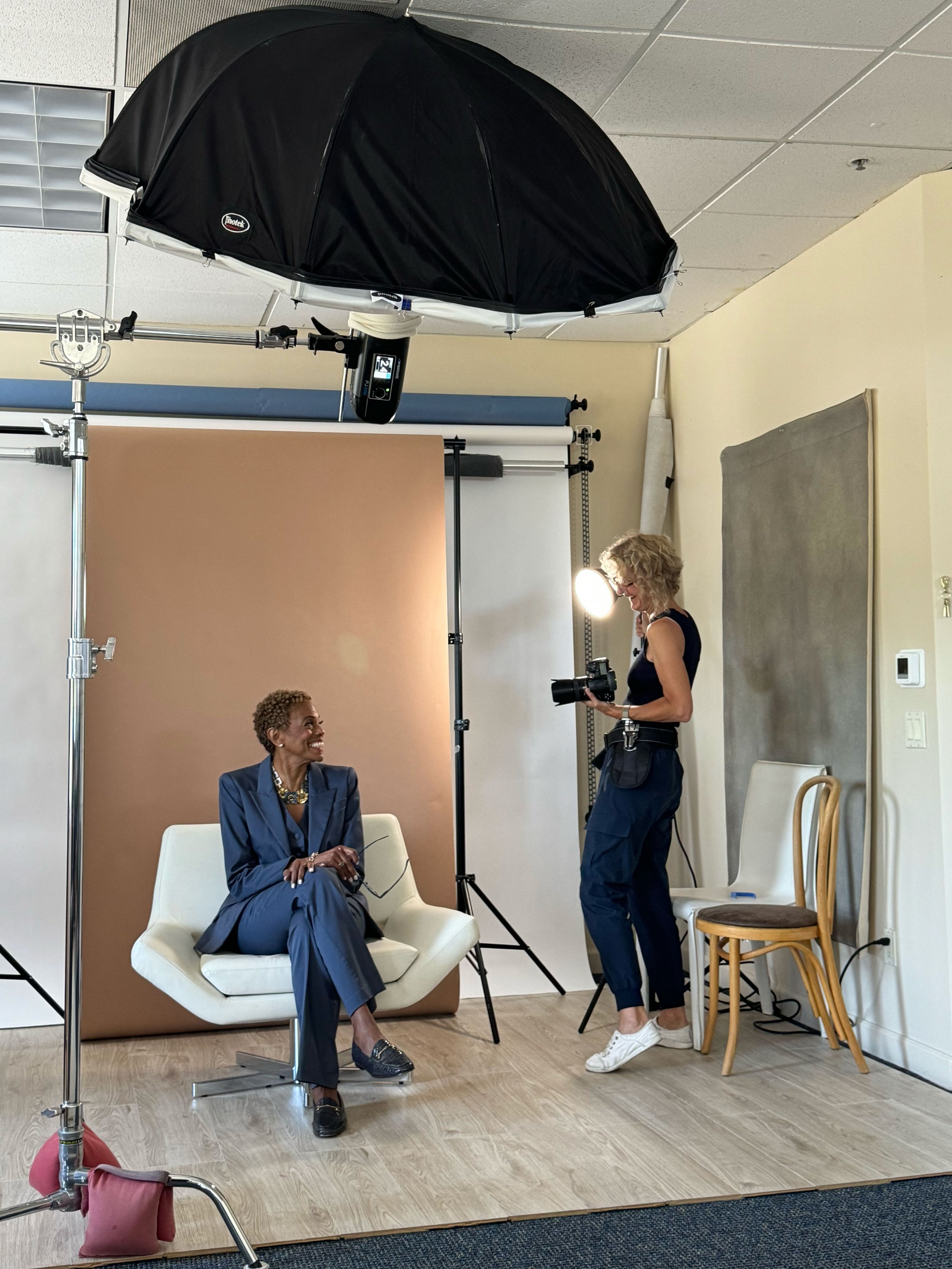
📷 Photo idea: A behind-the-scenes style shot showing a photographer guiding a client during a session, with the client smiling and relaxed. Alt text: "Woman over 50 being guided during a personal branding photo session, portrait photographer for female entrepreneurs in the Bay Area."
Why This Choice Actually Matters for Your Brand
The images you put out into the world do a specific job. They introduce you before you've said a word. They make someone feel something - trust, recognition, curiosity, warmth - before they've read a single line of your bio.
Getting this right isn't about picking the most flattering photo. It's about picking the photo that makes the right people feel like they already know you.
Women I work with are often at a point of real transition. They're starting something new, stepping into visibility after years of being behind the scenes, or simply realizing that the photos they've been using no longer represent who they've become. That last one is more common than you might think, and it matters.
When the image matches the person - when it captures not just what you look like but how you show up - people feel it. And that's when photos stop being a to-do item and start being a real part of how you build connection and trust.
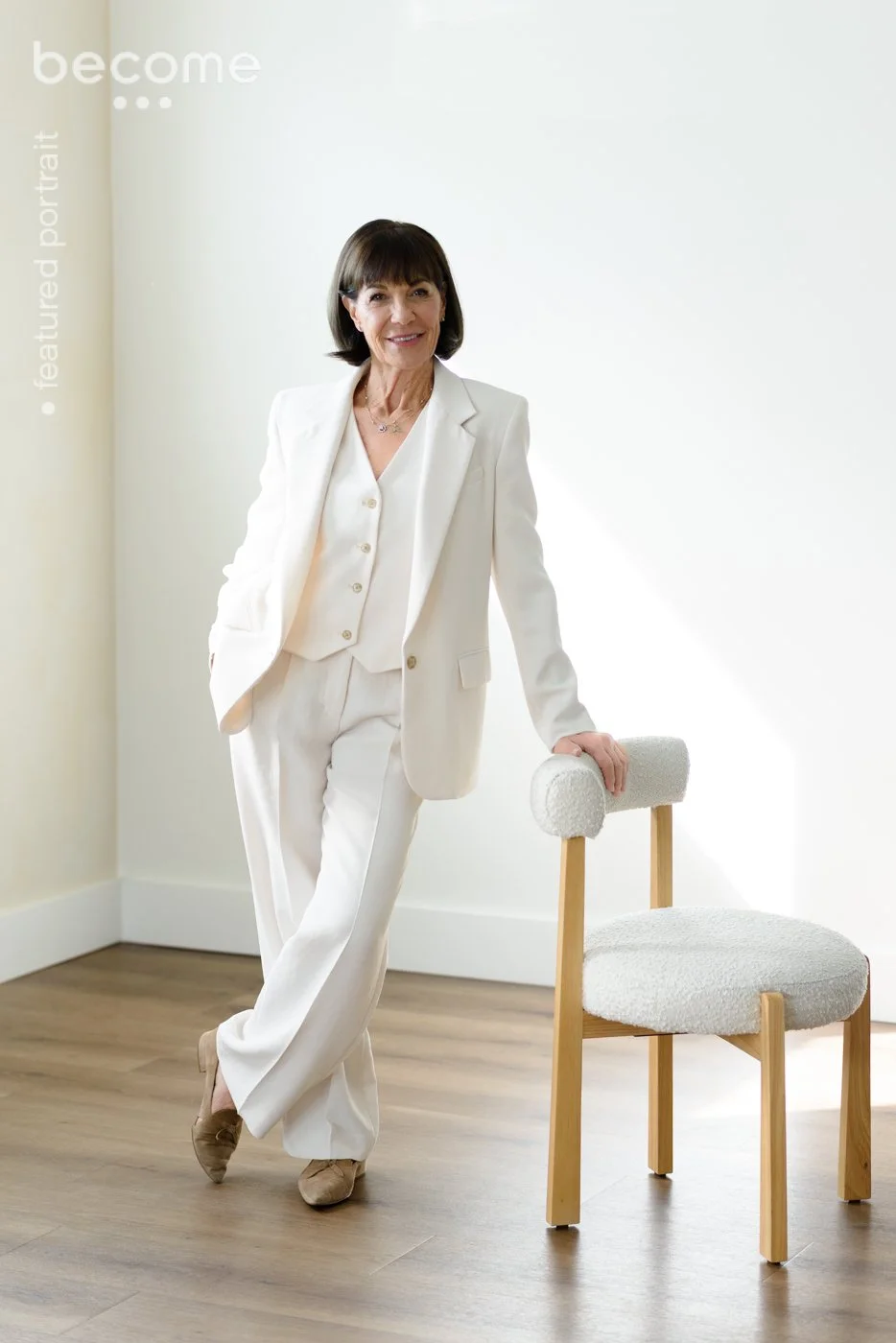
Professional Stylist, Judy Domenici.
Ready to Figure Out Which Style Is Yours?
If you've been sitting on the idea of getting new photos done, this is a good sign to start the conversation. We'll talk about who you are, what you're building, and where your images need to show up - and from there, the right approach tends to become pretty clear.
I work with women across Marin County, the Bay Area, and beyond, both in studio and on location. Every session starts with a real conversation, because getting that part right makes everything else easier.
Head over to www.becomebeseen.com and let's figure out what your photos should actually be doing for you.
Because the right image isn't just a good photo of you. It's a photo that makes someone stop scrolling and think - yes, that's exactly the person I've been looking for.